The reading for this week had a lot of complexity and nuances to its arguments, but there were also some places where I believe it lacked. I understand it was an essay that exists to primarily highlight the pros and cons of digital reading, and how that may negatively or positively affect how much people read and their overall ability to comprehend it. This is all fine and dandy but it seemed a bit pessimistic for my taste so I wanted to focus primarily on the pros of being a literate person who loves reading in the digital age.

Now more than ever we have access to vast amounts of literature, in several different forms, very often completely free. I firmly believe that reading more inherently leads to, at the very least, greater knowledge for the reader, and more than likely leads to being a better reader as well. And oh boy, we are in the hay day of the free information age. Using a cell phone or computer leads to endless possibilities for accessing reading materials.
Personally, I use MontanaLibrary2Go to get access to an insane amount of free digital books and audiobooks (which I very firmly consider reading.) It provides access 2 weeks at a time to a huge digital library of books, with very little to no wait for most books.
Additionally, there is also Project Guttenberg, which tries to collect digital copies of all works that have entered the public domain and provides them free of charge. There is also LibraVox as another great place online, and it is essentially Project Guttenberg for audiobooks.
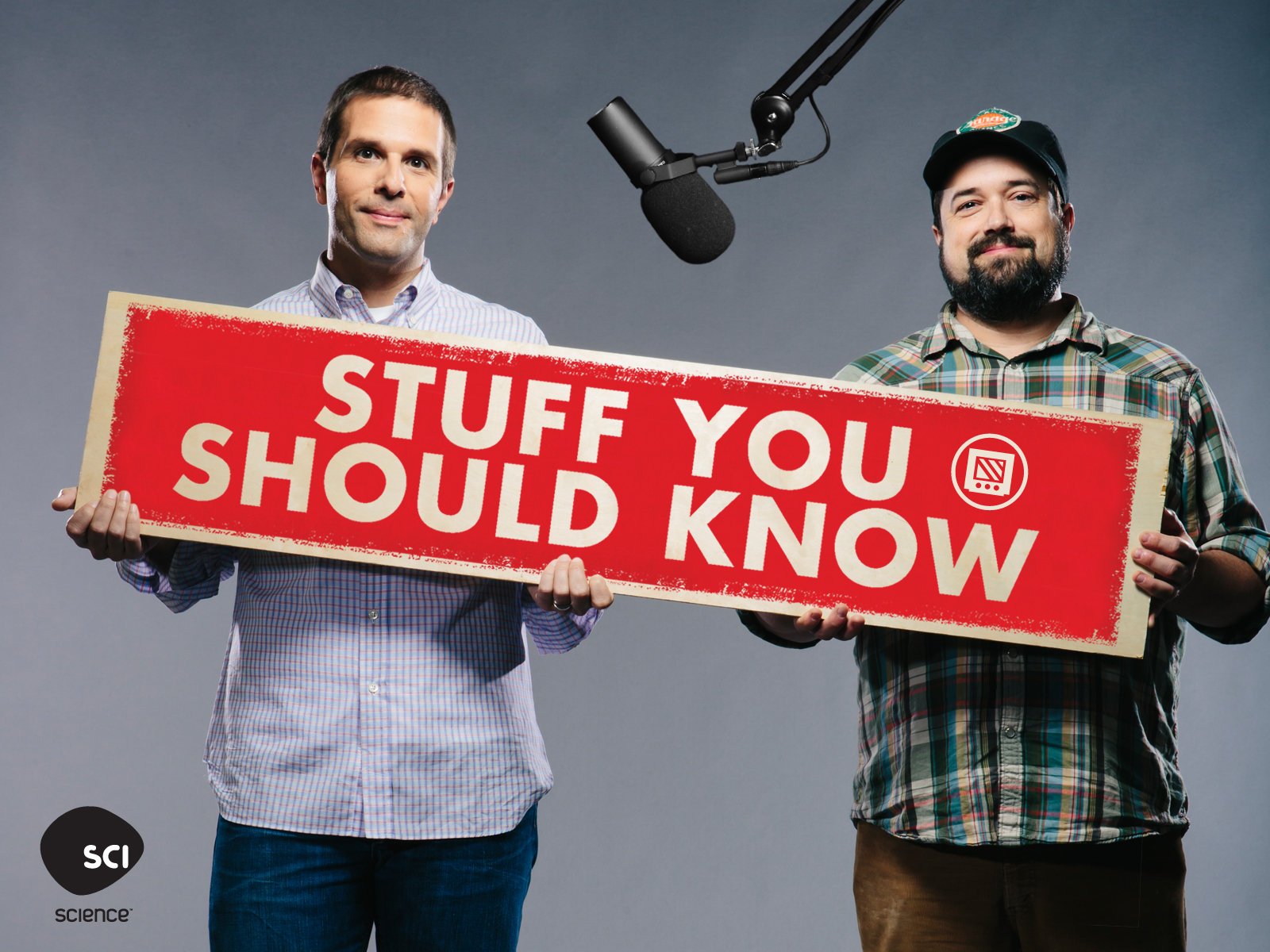
Beyond wider access to published works, we are also in the Golden Age of podcasts. Podcasts are a great way to learn about a wide arrange of topics, with shows like Stuff You Should Know covering everything from Betsy Ross to Ping Pong, each providing an informative and fun listening experience (at least for a nerd like me.)
There are also more niche podcasts like ones for learning a new language, or even one that goes through the Harry Potter series one chapter per episode and views it through different principles as if it were a Holy text.
Yes, I’m not joking, its great and I stand by it as a Potterhead one hundred percent.

The vast amounts of information at our disposal doesn’t end there! We as humans with internet access also have the ability to read unpublished works, ranging from people who are writing drafts and want other authors opinions (http://figment.com/) to people who have written stories or “fan fiction” that take place in their favorite literary universes, only some of which (Not All!…) is adult material and mildly creepy.
Our resources today are vast when it comes to providing free reading material. Better access ultimately leads to those who want to read being able to do so easier and cheaper than any point in history. The tradeoff is that there is also a vast amount of other digital based media that is vying for our attention. I don’t subscribe to the idea that digital reading is less impactful or possibly even “worse” for us than physical text as Bauerlein argues in “The Dumbest Generation.” I will concede though that our digital world offers plenty of alternatives that take less effort to enjoy than reading. This I feel is the crux of the argument that was trying to be made. We have unparalleled access to digital literature, but the true problem isn’t with physical vs digital reading; it’s simply with choosing to read in the first place.

 Streeter's Generic Blog
I appreciated the pro-digital reading tone in your first paragraph, Streeter. I think sometimes it is easy to get carried away with pessimistic thinking about all the negatives that screens and the Internet bring while forgetting all the advantages. We live in such a crazy, wonderful age where we can have access to an endless supply of information at the press of a fingertip to the screen.
You mention Montana Library 2 Go, which I also use thanks for an active library card from my hometown 4 years ago that still hasn’t expired. Places like Project Gutenberg are good resources for obtaining older, classic stories that have legally entered into the public domain. And of course, there are the less legal places where one can download all sorts of books. (Even textbooks that may no longer be available on Amazon!)
Speaking of podcasts and access to information, the app I use to listen to podcasts, Google Podcasts, is working on a new feature where they automatically transcribe every word spoken in a podcast. This will make searching for a podcast episode as easy as searching for a Wikipedia article, and has a lot of exciting possibilities for podcast discovery!
LikeLike
Hey! I also appreciate the positive take on digital writing. I think it’s also true that with the emergence of digital writing, there’s an influx of accessible non-relevant information which could be skewing the numbers. I know that I consciously try to read articles that I know that I need to care about, like articles for class, more intentionally than I do articles that I read for fun. I think that before the internet, pieces of physical writing I would acquire would carry a higher level of intentionality about them than digital writing that I have access to now.
I’m also a huge fan of podcasts as well because they inspire me to read, which is invaluable. I recently listened to a podcast by Nerdist called “the writer’s panel”, which is a podcast that gathers several established or up and coming writers within a specific field into a round table interview type environment where each discusses writing decisions that they have made to improve their craft. Just listening to these authors talk passionately about their projects motivates me to find their work and read it to see if I can observe what they’re talking about. I think that this touches in on the last statement that you made, finding the motivation to read is at the core of reading (obviously). Maybe finding that motivation is just different now.
LikeLike